Featured Plants & Herbs

Explore our comprehensive collection of lavender varieties and companion herbs. Each plant profile includes detailed growing requirements, uses, and characteristics to help you succeed.

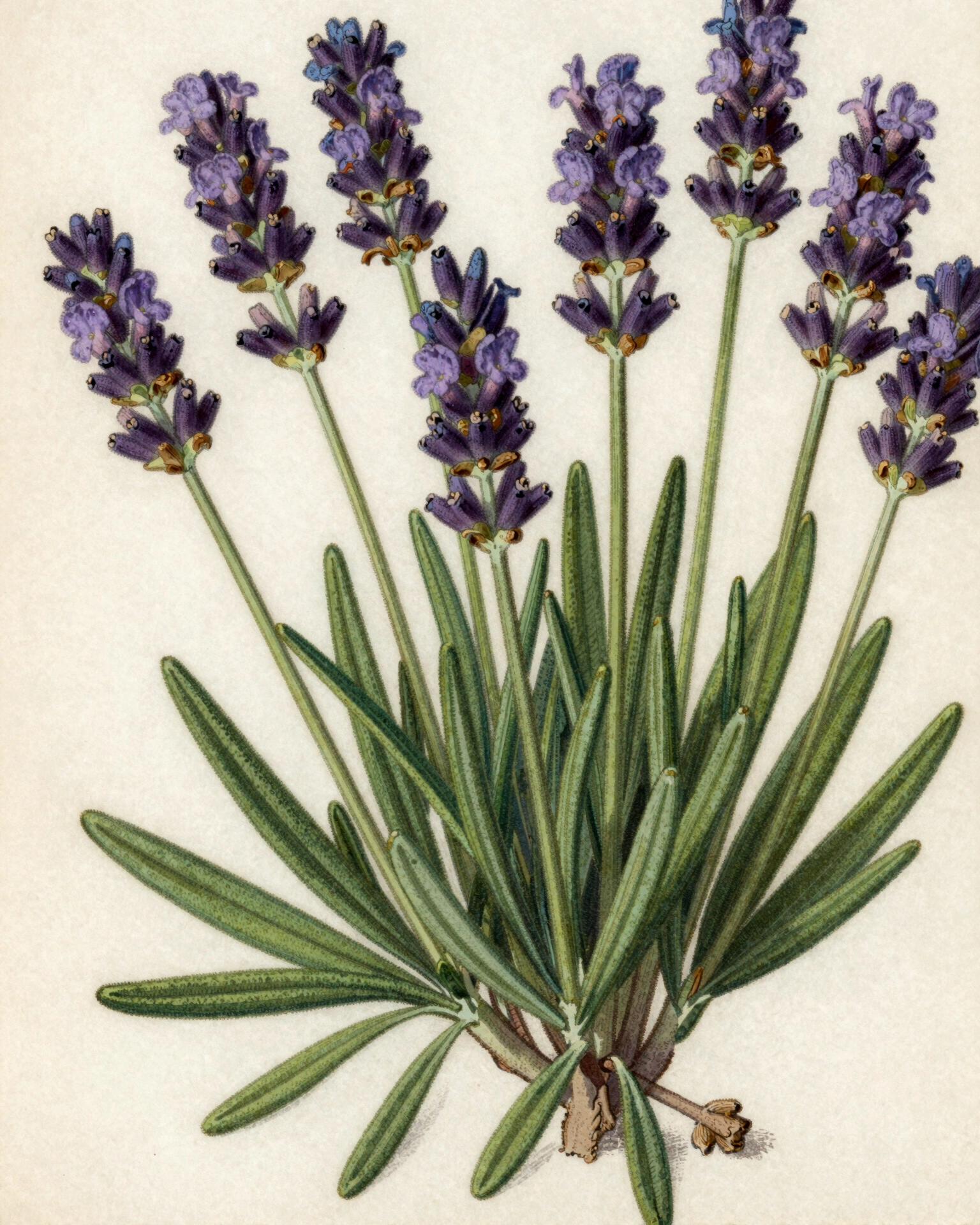
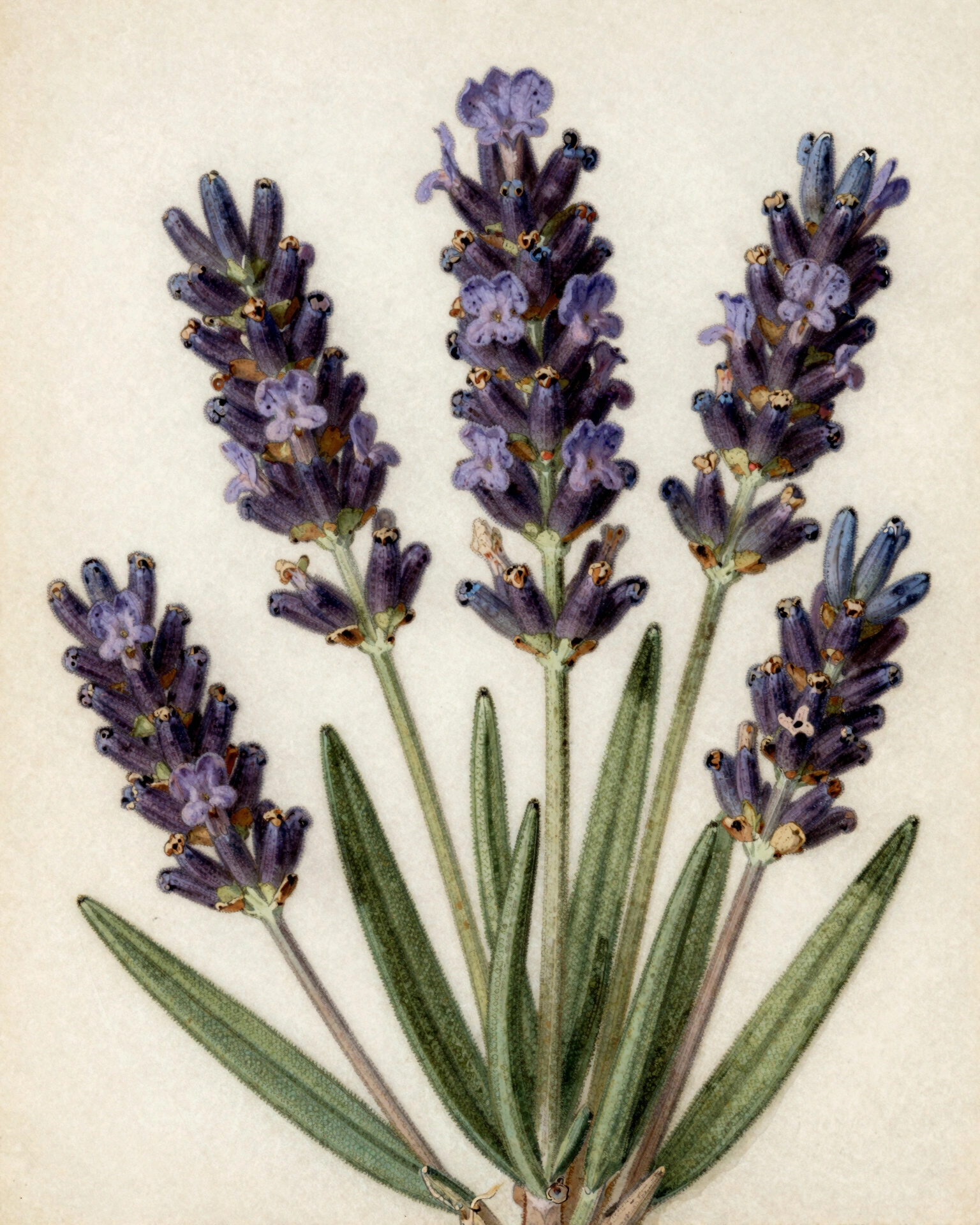
English Lavender

English Lavender

Lavandula angustifolia

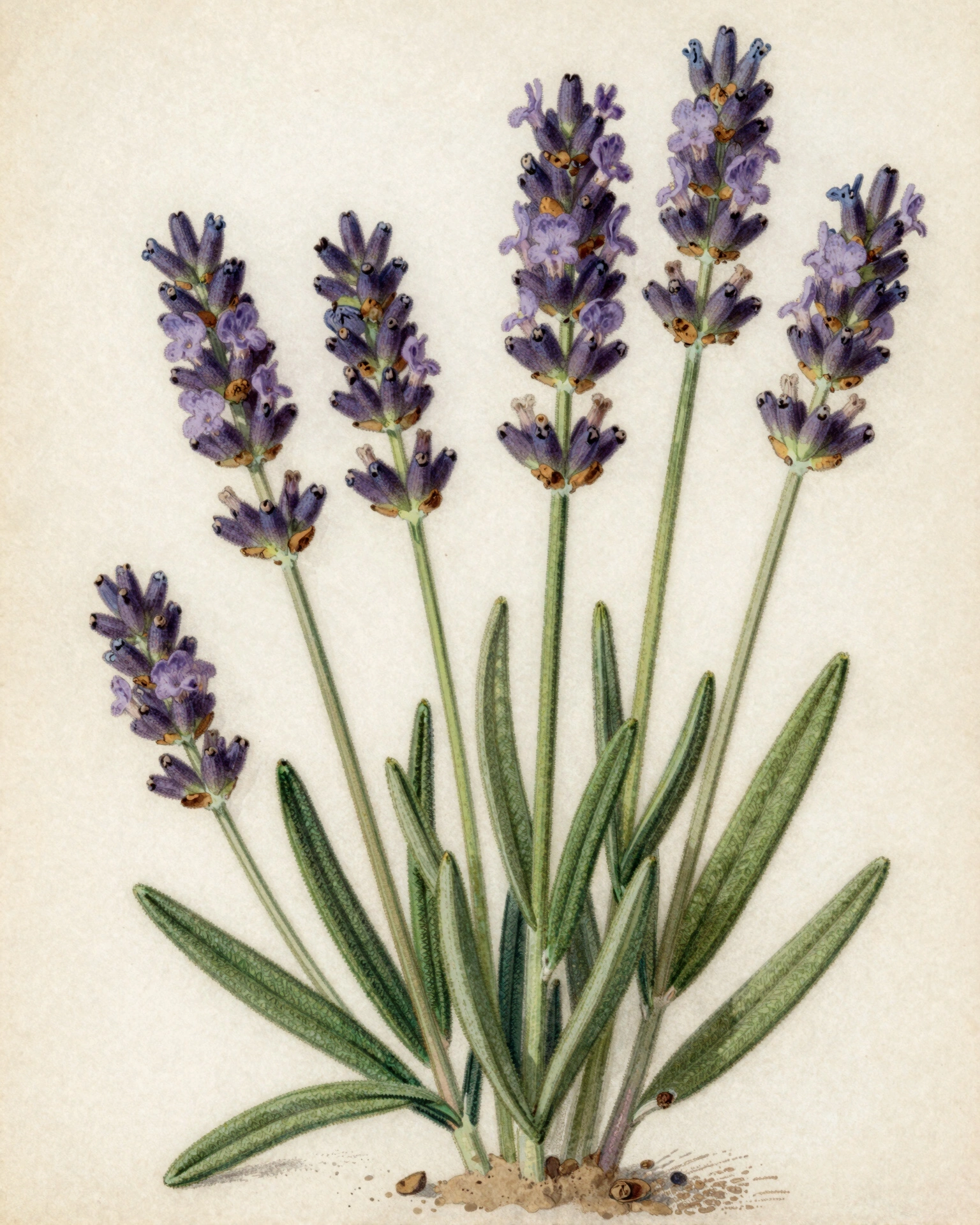
English Lavender (Lavandula angustifolia) is the gold standard for lavender cultivation. Native to the Mediterranean mountains, this variety has been bred for centuries for its superior fragrance, cold hardiness, and culinary quality.

Unlike other lavender species, English Lavender produces sweet-scented oils with low camphor content, making it ideal for cooking, baking, and high-quality essential oil production. It’s the variety professional growers choose for commercial lavender farms.

Why growers love it: Reliable cold tolerance (survives -20°F with snow cover), compact growth habit, prolific blooming, and the sweetest fragrance of all lavenders. It’s the variety that built the lavender industry.

Hardiness

Zones 5-9

Height

18-24 inches

Bloom Time

Late Spring to Early Summer

Soil pH

6.5-7.5

Care Requirements

Full Sun (6-8 hours)
Low to Moderate Water

Common Uses

Culinary Aromatherapy Dried Flowers Essential Oils

Key Characteristics

  • Excellent cold tolerance
  • Sweet, classic lavender fragrance
French Lavender

French Lavender

Lavandula dentata

Distinguished by its unique serrated leaves and showy pineapple-shaped flower heads topped with colorful bracts. Blooms nearly year-round in warm climates and brings exceptional visual interest to gardens. More heat-tolerant than English varieties.

Hardiness

Zones 8-11

Height

24-36 inches

Bloom Time

Nearly Year-Round in Warm Climates

Soil pH

6.5-7.5

Care Requirements

Full Sun (6-8 hours)
Moderate Water

Common Uses

Ornamental Pollinator Magnet Landscape Container Gardens

Key Characteristics

  • Heat and humidity tolerant
  • Distinctive serrated foliage
  • Showy butterfly-like bracts
  • Extended blooming period
  • Less cold-hardy than English lavender
Spanish Lavender

Spanish Lavender

Lavandula stoechas

Striking ornamental variety with distinctive “rabbit ear” bracts perched atop dense flower heads. Native to Mediterranean regions, it thrives in hot, dry climates and poor soils. Highly decorative with a strong camphor-like scent.

Hardiness

Zones 7-10

Height

20-30 inches

Bloom Time

Spring to Early Summer

Soil pH

6.0-7.5

Care Requirements

Full Sun (6-8 hours)
Low Water

Common Uses

Ornamental Xeriscaping Pollinator Gardens Landscape Accent

Key Characteristics

  • Unique butterfly-like bracts
  • Excellent heat tolerance
  • Strong camphor fragrance
  • Drought resistant
  • Perfect for Mediterranean gardens
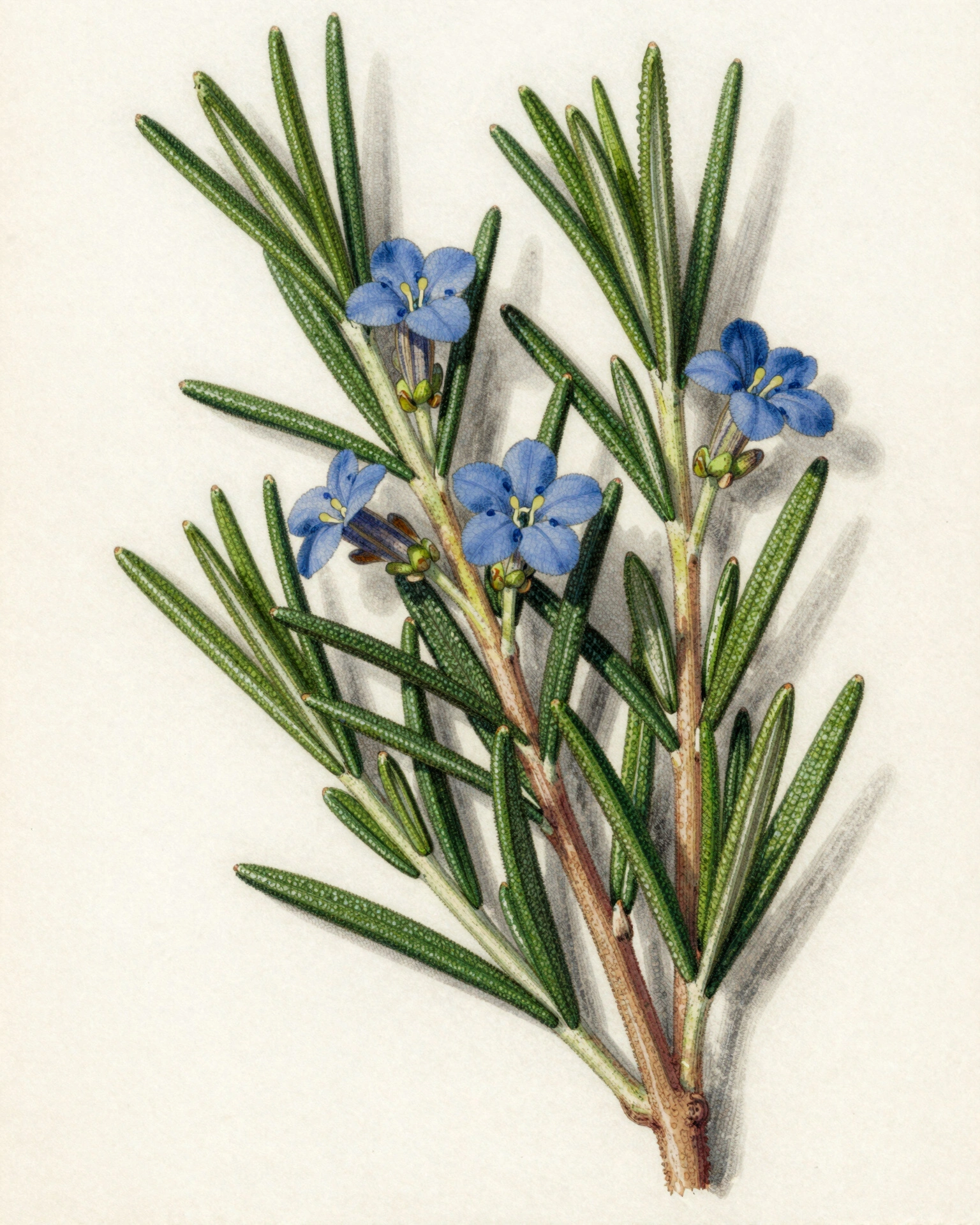
Rosemary

Rosemary

Salvia rosmarinus

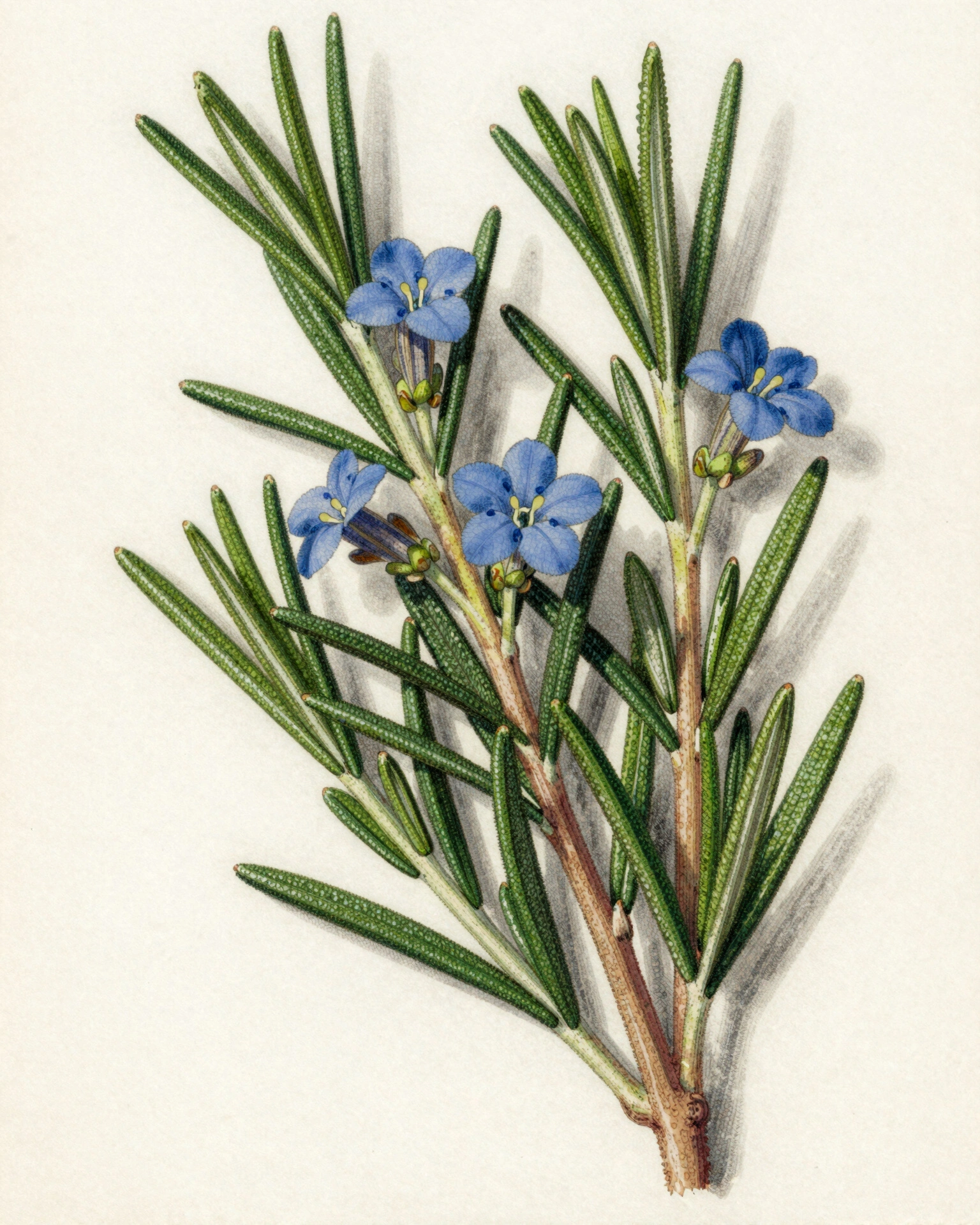
Aromatic evergreen herb with needle-like leaves and delicate blue flowers. An essential culinary herb and ornamental plant, rosemary thrives in Mediterranean-style gardens. Its woody stems and upright growth make it perfect for hedges and topiaries.

Hardiness

Zones 7-11

Height

24-48 inches

Bloom Time

Winter to Spring

Soil pH

6.0-7.0

Care Requirements

Full Sun (6-8 hours)
Low to Moderate Water

Common Uses

Culinary Medicinal Ornamental Essential Oils

Key Characteristics

  • Evergreen foliage year-round
  • Powerful aromatic fragrance
  • Versatile culinary uses
  • Can be trained as topiary
  • Attracts pollinators
Common Sage

Common Sage

Salvia officinalis

Classic culinary and medicinal herb with soft, velvety gray-green leaves and spikes of purple-blue flowers. A staple in herb gardens for centuries, sage is valued for its robust flavor, ornamental appeal, and traditional healing properties.

Hardiness

Zones 4-10

Height

18-30 inches

Bloom Time

Late Spring to Early Summer

Soil pH

6.0-7.0

Care Requirements

Full Sun (6-8 hours)
Low to Moderate Water

Common Uses

Culinary Medicinal Tea Ornamental

Key Characteristics

  • Exceptional cold hardiness
  • Soft, textured foliage
  • Rich culinary flavor
  • Traditional medicinal herb
  • Easy to grow and maintain
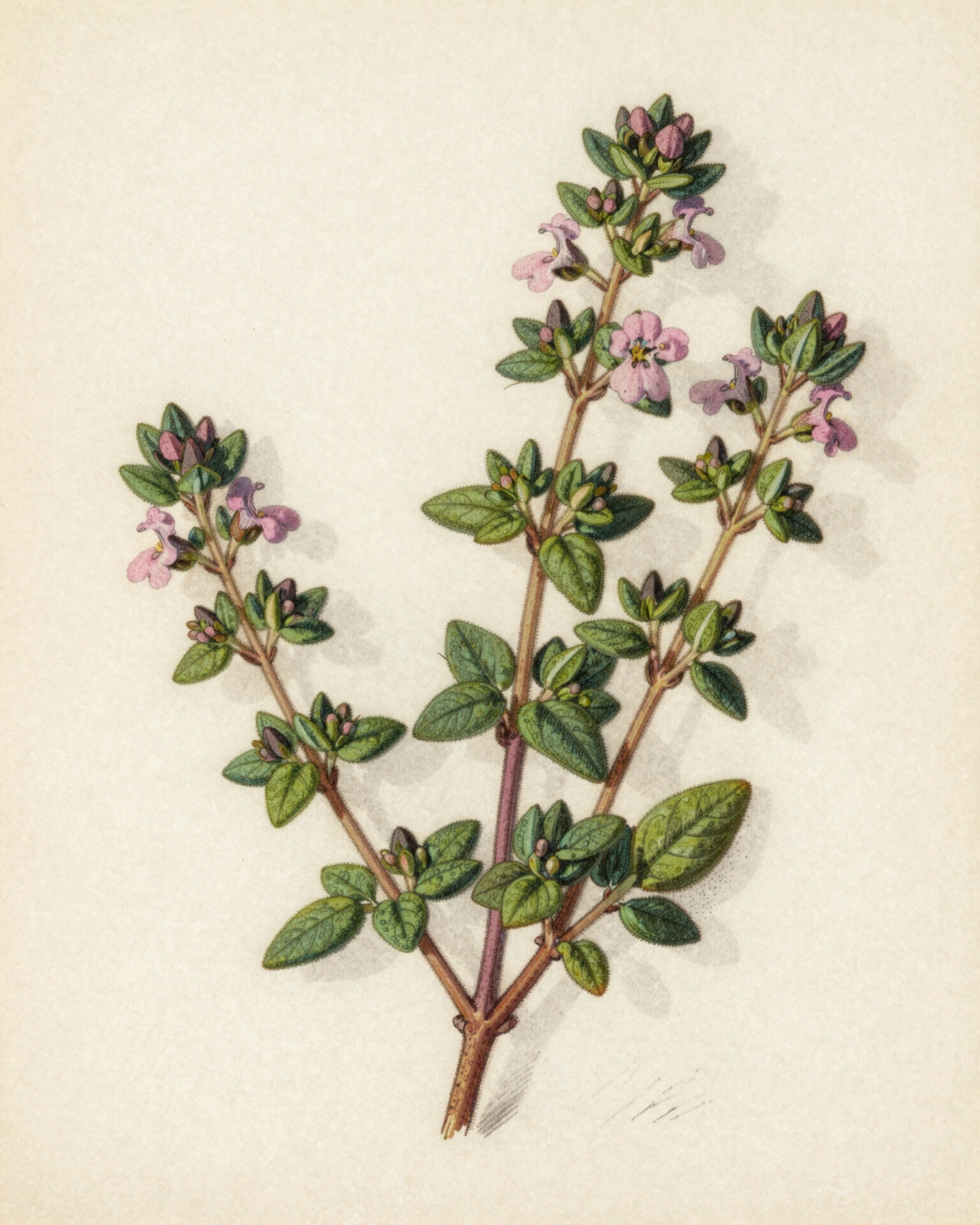
Thyme

Thyme

Thymus vulgaris

Low-growing aromatic herb with tiny leaves and delicate pink or white flowers. Perfect for ground covers, rock gardens, and culinary use. Multiple varieties offer different flavors and growth habits.

Hardiness

Zones 5-9

Height

6-12 inches

Bloom Time

Late Spring to Summer

Soil pH

6.0-8.0

Care Requirements

Full Sun (6-8 hours)
Low Water

Common Uses

Culinary Ground Cover Medicinal Pollinator Gardens

Key Characteristics

  • Compact, spreading growth
  • Fragrant foliage when touched
  • Excellent for borders and paths
  • Attracts beneficial insects
  • Drought tolerant once established
Oregano

Oregano

Origanum vulgare

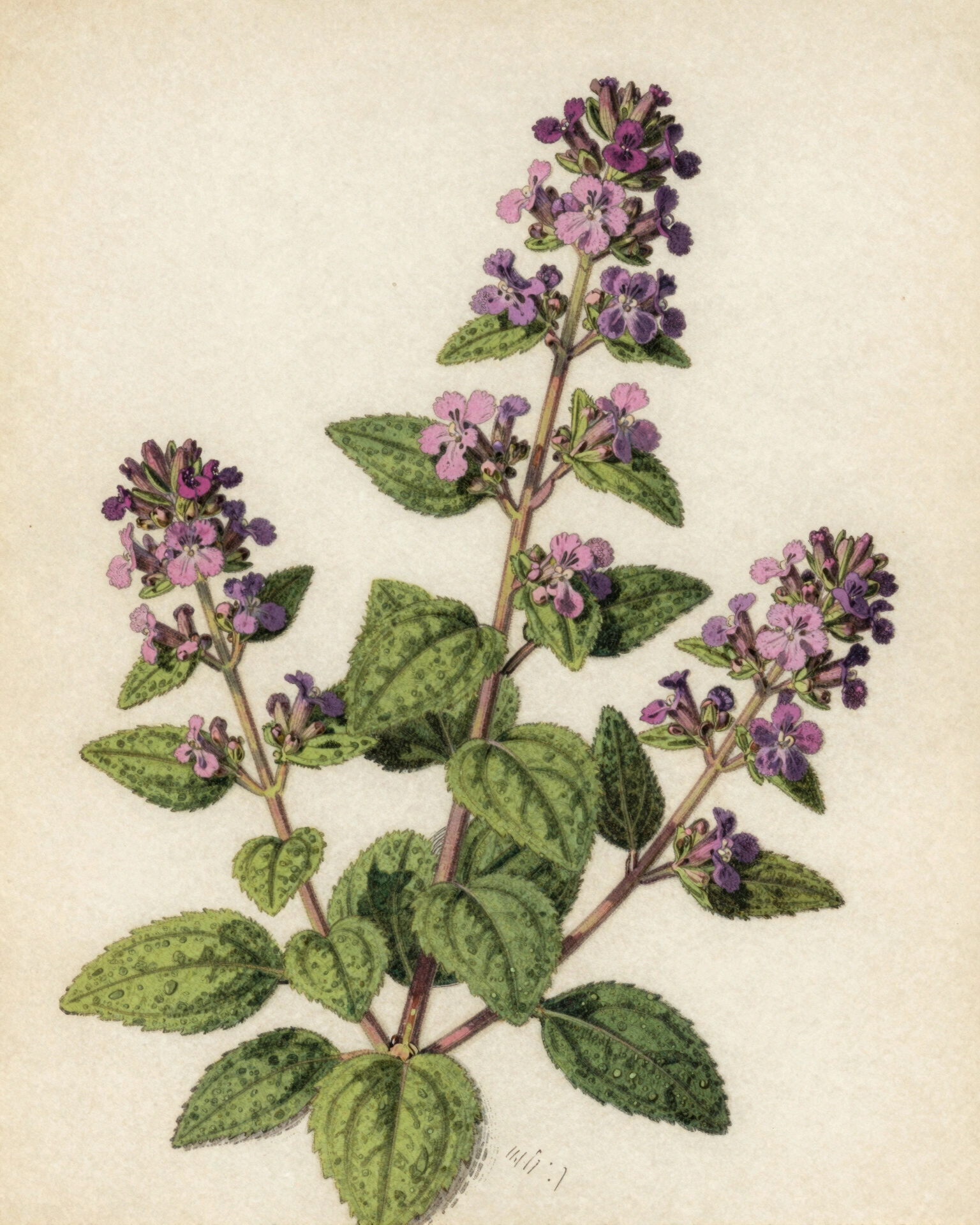
Robust perennial herb with pungent flavor essential to Mediterranean cuisine. Forms spreading clumps with purple-pink flowers that attract pollinators. Hardy and vigorous grower that can spread enthusiastically.

Hardiness

Zones 4-10

Height

12-24 inches

Bloom Time

Summer

Soil pH

6.0-8.0

Care Requirements

Full Sun (6-8 hours)
Low to Moderate Water

Common Uses

Culinary Medicinal Ornamental Pollinator Gardens

Key Characteristics

  • Vigorous, spreading habit
  • Strong culinary flavor
  • Beautiful purple flowers
  • Excellent bee attractant
  • Very low maintenance

Not Sure Which to Choose?

Use our interactive Variety Finder to answer questions about your climate, soil, and goals. We'll recommend the perfect lavender variety for your unique situation.

Find Your Perfect Variety