Common Sage
Salvia officinalis
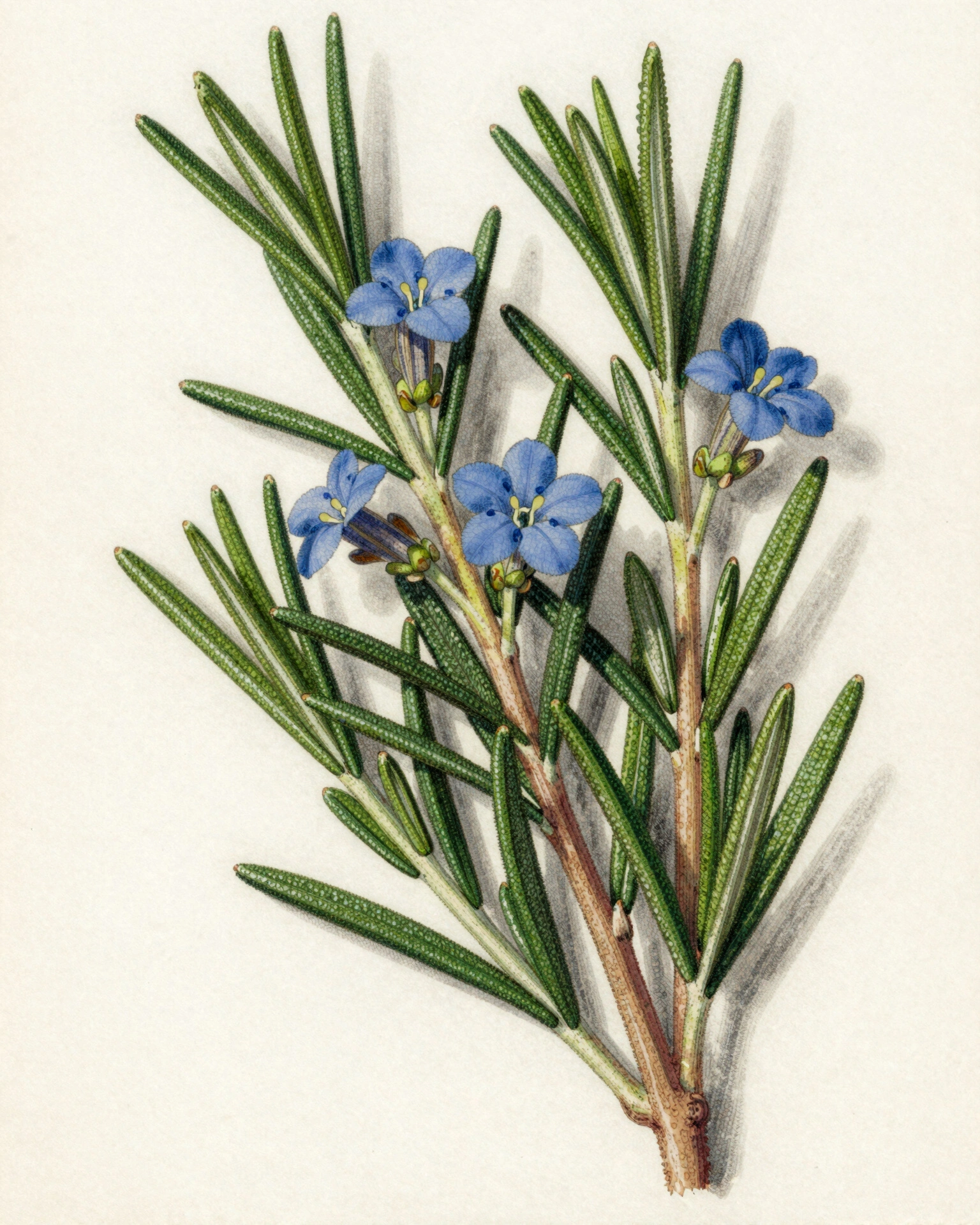
Classic culinary and medicinal herb with soft, velvety gray-green leaves and spikes of purple-blue flowers. A staple in herb gardens for centuries, sage is valued for its robust flavor, ornamental appeal, and traditional healing properties.
Hardiness
Zones 4-10
Sunlight
Full Sun (6-8 hours)
Height
18-30 inches
Water
Low to Moderate
Overview
Key Characteristics
Flowers
- •True purple-blue color
- •Single flower spike (no bracts)
- •Blooms June-August (one main flush)
- •Sweet, floral fragrance
- •Excellent for drying
Foliage
- •Silvery-gray leaves
- •Narrow, linear shape
- •Evergreen in mild climates
- •Aromatic when brushed
- •Dense, mounding habit
Growing Conditions
Climate & Hardiness
Zone Info: USDA Zones 5-9: Thrives in cold climates with winter protection. Can survive Zone 4 with heavy mulch.
Cold tolerance: -20°F to -10°F when established. Requires good drainage in winter.
Heat tolerance: Moderate. Prefers cool nights. Struggles in high humidity zones (Florida, Gulf Coast).
Ideal regions: Pacific Northwest, Northern California, Rocky Mountains, New England, upper Midwest with protection.
Sunlight Requirements
Minimum: 6 hours direct sun. More is better.
Ideal: 8+ hours full sun for maximum oil production and compact growth.
Shade tolerance: Poor. Will become leggy, bloom less, and be more disease-prone in part shade.
Tip: Plant on south-facing slopes or against reflective walls for extra heat in cold climates.
Soil Requirements
Type: Well-drained, sandy or gravelly soil. Clay must be amended.
pH: 6.5-7.5 (slightly acidic to neutral). Tolerates alkaline up to 8.0.
Drainage: CRITICAL. Lavender drowns in wet soil. Raised beds in heavy soil.
Fertility: Low to moderate. Over-fertilizing reduces oil quality and fragrance.
Amendment: Mix in coarse sand, perlite, or small gravel (30-40% by volume) for clay soils.
Watering Guide
Establishment: Water deeply once a week until roots establish (3-4 months).
Mature plants: Drought-tolerant. Water every 2-3 weeks in dry climates, less with rain.
Overwatering signs: Yellow leaves, root rot, fungal disease, weak growth.
Best practice: Deep, infrequent watering. Let soil dry completely between waterings.
Winter: Minimal to none. Wet winter soil kills more lavender than cold temperatures.
Planting Guide
When to Plant
Spring: After last frost when soil warms to 60°F. Best for cold climates (Zones 5-6).
Fall: 6-8 weeks before first frost. Allows root establishment before winter. Best for Zones 7-9.
Spacing
- •Garden/landscape: 2-3 feet apart (allows air circulation)
- •Hedges: 18-24 inches for dense screen
- •Commercial rows: 3-4 feet in-row, 6-8 feet between rows (tractor access)
- •Containers: One plant per 12-14" pot minimum
Planting Steps
- Dig hole 2x wider than root ball, same depth. Don't bury crown.
- Amend heavy soil with 2-3 inches of coarse sand or gravel mixed into hole.
- Remove plant gently from pot, loosen circling roots. Don't break root ball.
- Set plant at same depth it was growing in pot. Crown should be slightly above soil level.
- Backfill with native soil (not potting mix). Firm gently.
- Water deeply once, then let soil dry before next watering.
- Mulch lightly with gravel or small stones (not bark). Keep mulch away from stems.
⚠️ Common Mistake: Planting too deep or in amended "rich" soil. Lavender wants poor, gritty soil and excellent drainage. Plant high, not low.
Care & Maintenance
Pruning Schedule
Spring Pruning (Essential):
Cut back 1/3 of plant in early spring when new green growth appears. Shape into mound. Removes woody winter growth and encourages compact form.
After Bloom (Optional):
Deadhead spent flowers to tidy appearance and sometimes encourage light second bloom. Not required for plant health.
Fall Pruning (AVOID):
Never prune in fall. New growth won't harden off before winter and will die back. Prune only in spring.
⚠️ Never cut into old wood (brown, woody stems). Lavender won't resprout from old wood. Always leave green foliage.
Fertilizing
First year: None. Let roots establish in lean soil.
Established plants: Light feeding in early spring with balanced fertilizer (5-10-10 or similar). Half-strength.
Frequency: Once per year maximum. Over-fertilizing causes leggy growth and reduced fragrance.
Organic option: Compost tea or fish emulsion, diluted 50%.
Less is more with lavender. Lean, hungry plants produce the best oils.
Winter Protection
Zones 5-6 (borderline): Mulch with evergreen boughs or straw after ground freezes. Remove in early spring.
Snow cover: Excellent insulation. Plants under snow survive better than those in bare soil.
Biggest threat: Wet soil + freeze/thaw cycles. Ensure drainage is perfect before winter.
Container plants: Move to unheated garage or bury pot in ground for winter.
Wind protection: Plant near walls, fences, or windbreaks in cold climates.
Harvesting for Maximum Quality
When to Harvest
Timing is everything. Harvest when 50% of flowers on each spike have opened. Too early = less oil. Too late = flowers lose quality.
Time of day. Morning after dew dries (9-11 AM). Oils are most concentrated. Avoid afternoon heat.
Weather. Dry conditions only. Never harvest wet flowers (they'll mold).
Harvesting Technique
- Cut stems 2-3 inches into green foliage (not into woody growth)
- Use sharp, clean pruning shears or knife
- Bundle 50-100 stems with rubber band (shrinks as stems dry)
- Hang upside down in dark, well-ventilated space
- Dry for 2-4 weeks until stems snap cleanly
Expected Yield
- •Year 1: Minimal harvest. Let plant establish.
- •Year 2: 100-200 stems per plant
- •Year 3+: 300-500 stems per mature plant
- •Peak production: Years 4-8
Uses & Applications
Culinary
- •Baking
- •Herbal teas
- •Sugar and honey
Wellness
- •Essential oils
- •Sleep sachets
- •Bath soaks
Home & Craft
- •Dried arrangements
- •Potpourri
- •Wreaths
Commercial
- •Fresh bundles
- •Distillation
- •Culinary sales
Ready to Grow Common Sage?
Use our Variety Finder to see if Common Sage is the right choice for your climate and growing goals.
Find Your Perfect Varieties